Driveways and parking areas
Concrete and other sound hardstand surfaces can be cleaned to remove traffic film, embedded dirt and organic build-up. Existing cracks, coatings and oil stains are checked before work begins.
Clear built-up grime, organic growth and surface stains with a cleaning method chosen for the material, condition and access.

Effective pressure washing in Brisbane starts with the surface, not the highest machine setting. Concrete, pavers, brick, painted walls, retaining walls and outdoor areas all respond differently to water pressure and cleaning agents. We assess the material, staining, drainage and nearby plants before choosing the method.
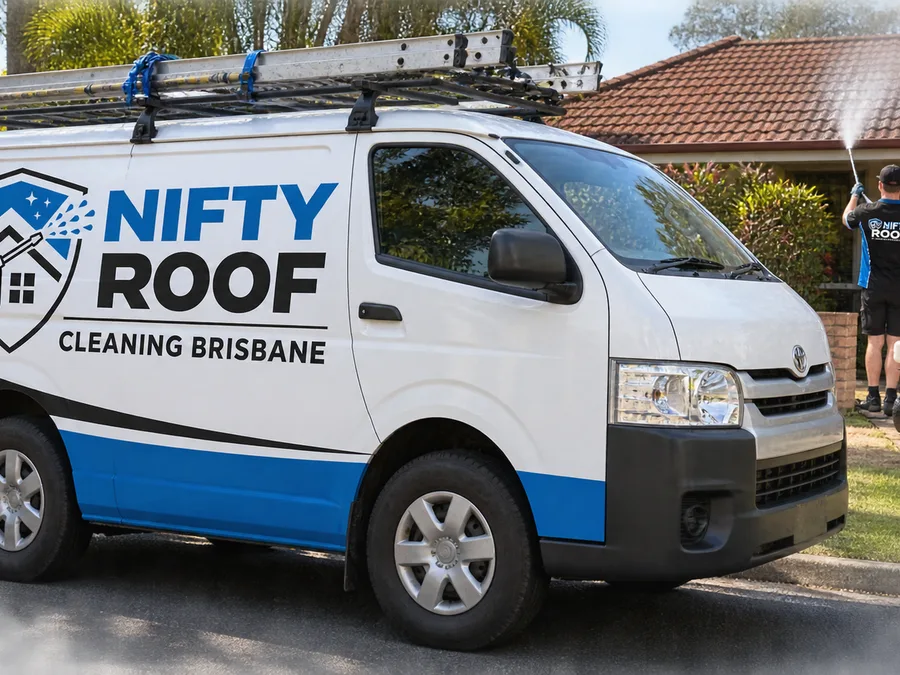
Nifty Roof Cleaning Brisbane provides practical exterior cleaning for homes, body corporate properties and commercial premises. Our miscellaneous specialists serving Brisbane match pressure, nozzle angle and detergent dwell time to each job rather than treating every surface alike. This protects sound finishes while removing the dirt that ordinary rinsing leaves behind.
Brisbane's warm, humid conditions and summer rainfall can support algae, mould and lichen on shaded or slow-drying surfaces. Leaf litter and airborne dirt also collect around paths, walls and outdoor areas. Cleaning removes this build-up, improves the appearance of the property and reduces the slippery film that can form on frequently used hard surfaces.

High pressure cleaning is well suited to durable hard surfaces such as sound concrete driveways, many masonry walls, pool surrounds and some types of pavers. A surface cleaner is often used on broad, level areas because its rotating spray bar produces a more even result than freehand wand cleaning. Edges, corners and steps can then be detailed with an appropriate nozzle.
Pressure must be reduced or avoided on delicate materials. Loose mortar, flaking paint, weathered timber, damaged render and poorly bonded coatings can be harmed by an aggressive jet. Some stains also need chemistry rather than force. Organic growth may require a suitable treatment and dwell time, while oil, rust and tannin stains each need different products and may leave permanent discolouration.
The aim is controlled cleaning, not surface erosion. A small test area helps confirm the safe working pressure and likely finish before the main area is cleaned.
Concrete and other sound hardstand surfaces can be cleaned to remove traffic film, embedded dirt and organic build-up. Existing cracks, coatings and oil stains are checked before work begins.
Controlled cleaning lifts grime from frequently used outdoor areas. Drainage, garden borders, furniture and nearby doors are considered when planning the work.
Paver type, joint stability and any sealant affect the method. Pressure is adjusted to avoid unnecessary loss of jointing sand, and pool water is protected from cleaning residue.
Brick, block and sound rendered surfaces can often be cleaned safely after inspection. Fragile mortar, efflorescence and failing paint need a more cautious approach.
Masonry and suitable fencing materials can be cleared of soil splash, algae and general grime. Timber and painted finishes usually require lower pressure.
Shop approaches, common paths and small commercial hardstands can be planned around access requirements so wet surfaces and hoses can be managed safely.
We identify the surface, staining, coatings, cracks, loose material and access limits. Water sources, drainage points and nearby electrical fittings are also checked.
Moveable items are cleared where practical. Doors, vents, delicate plants, pool areas and vulnerable finishes are protected according to their position and condition.
Where suitable, a cleaning agent is applied at the correct dilution and given time to work. This reduces the need to rely on excessive pressure.
The operator selects the nozzle, working distance and pressure for the material. Broad flat areas may be cleaned with a rotary surface cleaner to reduce streaking.
Residue is rinsed away with attention to drainage and neighbouring areas. The surface is reviewed after cleaning, with any permanent stains or pre-existing damage identified.
Brisbane properties can present very different access and drying conditions. In Toowong, sloping blocks can affect hose placement, safe footing and runoff control. Queenslander-style homes in Paddington may have painted timber, stairs and elevated areas that need lower pressure and careful overspray management. In New Farm, compact lots and close boundaries can require tighter control of spray near neighbouring walls, doors and windows.
Leafy properties in Indooroopilly may collect organic debris in shaded paths and retaining-wall corners, while exposed driveways in Carindale can carry traffic film and dirt across larger concrete areas. These details affect preparation, equipment choice and working order.
Stormwater protection also matters. Leaves, sediment and cleaning residue should not be pushed into gutters or drains without control. If water restrictions or local requirements apply at the scheduled time, the work method must comply with the current rules set by the relevant authorities.
Pressure washing in Brisbane typically costs about $150 to $350 for a small patio or driveway, while larger residential areas commonly range from $350 to $800 or more. Minimum service charges may apply to compact jobs.
Final pricing depends on area, surface type, staining, access, slope, water availability and whether detergent treatment or protection of nearby areas is needed. Oil, rust and deep organic staining can add labour and may not disappear completely. The exact cost is confirmed after the area and its condition are inspected.
A useful quote identifies the surfaces to be cleaned, the visible condition, access needs and any exclusions. It should also distinguish general pressure cleaning from specialist stain treatment. This matters because an ordinary wash can remove loose grime without fully correcting rust, oil penetration, efflorescence or marks within a coating.
Before the appointment, vehicles and portable belongings should be moved from the work area. Windows and doors should be closed, pets kept inside, and access to the nominated water point kept clear. Let the operator know about leaking seals, loose pavers, recent paintwork, irrigation controls or known drainage issues.
Nifty Roof Cleaning Brisbane is based at 2 Benson St, Toowong QLD 4066. Tell us what needs cleaning, the approximate area and any access concerns so the scope can be assessed properly.
Get a clear cleaning plan based on the surface, staining and access before work starts.
Call for a Free EstimateA small driveway or courtyard can often be completed within a few hours, while larger or heavily stained areas may take most of a working day. Preparation, detergent dwell time, difficult access and the number of separate surfaces affect timing. Sloping blocks around suburbs such as Toowong can also require extra setup for safe hose placement and runoff control.
No, high pressure cleaning is not suitable for every surface or condition. Weathered timber, failing paint, loose mortar, damaged render and fragile sealants can be marked or dislodged. A Brisbane high pressure cleaning assessment should identify these risks and select lower pressure, suitable chemistry or another method where required.
Pressure washing removes loose dirt and much surface build-up, but oil, rust and organic staining may require separate treatment. Oil can penetrate porous concrete, rust needs a compatible product, and mould or algae may need a cleaning agent with adequate dwell time. Permanent discolouration can remain after the contaminant has been treated.
You may not need to remain throughout the job if access, water supply and the agreed scope are arranged beforehand. Gates should be accessible, pets secured and vehicles removed from the cleaning area. Any concerns about drainage, loose surfaces or sensitive garden areas should be discussed before work starts.
Pavers can often be cleaned with controlled pressure, but some loss of loose jointing sand is possible. The risk depends on the paver condition, joint depth, nozzle angle and whether a surface cleaner is suitable. Unstable joints or damaged pavers should be identified before cleaning, and re-sanding can be considered after the area dries.
Book when the area can be cleared and there is suitable weather for safe cleaning and drying. Heavy rain, strong wind or severe weather can make outdoor work unsuitable. Brisbane's humid conditions can slow drying in shaded courtyards, so timing may also depend on the surface, surrounding buildings and expected use of the area.
Sealing is optional and depends on the material, its condition and the finish you want. Concrete and some pavers may accept a compatible sealer after they have dried fully, but existing coatings, moisture and efflorescence can affect adhesion. Pressure cleaning and sealing should be treated as separate scopes with their own suitability checks.
Describe the surfaces, staining and access, and Nifty Roof Cleaning Brisbane will help you plan the right pressure washing approach.