Roof condition check
The visible roof surface is checked for cracked or displaced tiles, loose elements, damaged coatings and other concerns that could change the cleaning plan. Cleaning does not replace a roofing inspection or repair.
Remove built-up dirt, organic growth and roof staining with a method selected for your roofing material, its condition and safe access.

Professional roof washing Brisbane property owners can rely on starts with an inspection, not an assumption about pressure. Concrete tiles, terracotta tiles and coated metal roofing respond differently to water pressure, cleaning agents and foot traffic. Age, existing damage, pitch and access also affect how the work should proceed.
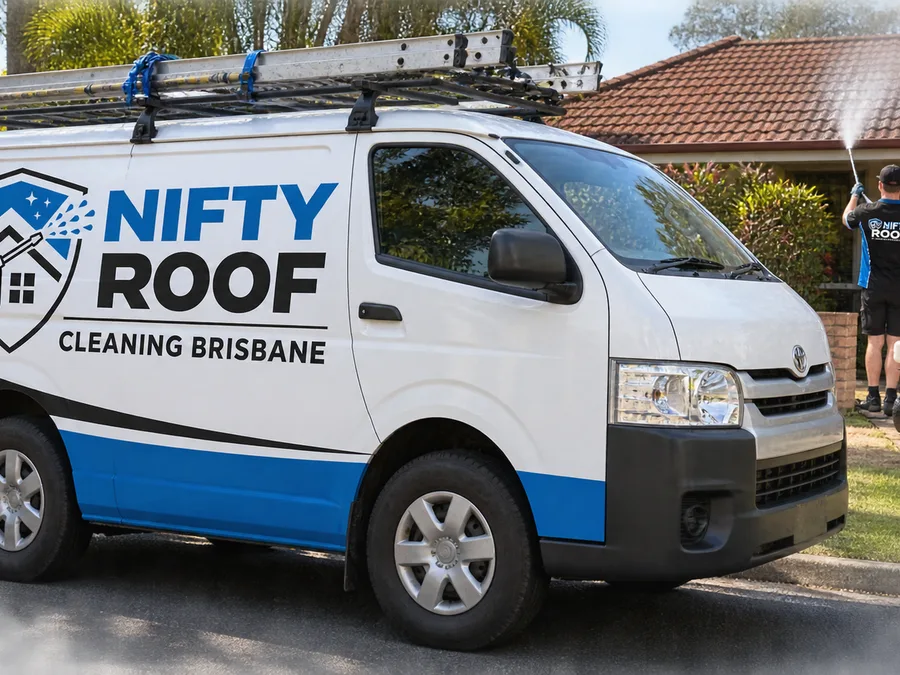
Nifty Roof Cleaning Brisbane checks the roof covering, flashings, gutters, valleys and obvious vulnerable points before cleaning begins. Our specialists throughout Brisbane plan the work around the roof in front of us and take practical steps to manage runoff, overspray and nearby surfaces. Our base at 2 Benson St, Toowong places us close to the established inner-western suburbs, where sloping blocks, mature trees and mixed roof materials can make access planning especially important.
Brisbane's warm, humid conditions and periods of heavy rainfall can support mould, algae and lichen where roofs remain damp or shaded. Airborne dust, leaf litter and organic debris add to the build-up. Washing removes surface contamination and restores a cleaner, more consistent appearance without pretending that cleaning can repair cracked tiles, failed coatings or roof leaks.

There is no single pressure setting or chemical mix suitable for every roof. A sound concrete tile roof may tolerate carefully controlled pressure, while older, porous or fragile tiles may need a lower-pressure treatment and more conservative working method. Coated metal roofing requires attention to the coating condition, sheet laps, fasteners and runoff paths.
Soft washing uses low-pressure application of a cleaning solution to treat organic growth, followed by a controlled rinse or natural weathering where appropriate. Pressure washing uses water at higher pressure to lift established surface deposits. The choice depends on the substrate and condition rather than a preference for one machine.
Some dark marks may be biological staining, while others come from ageing, coating wear, rust or mineral deposits. Cleaning can remove dirt and organic matter, but it cannot restore lost pigment or reverse material deterioration. We explain that distinction before work starts so expectations match the roof's actual condition.
The visible roof surface is checked for cracked or displaced tiles, loose elements, damaged coatings and other concerns that could change the cleaning plan. Cleaning does not replace a roofing inspection or repair.
Sensitive plants, painted surfaces, rainwater collection points and neighbouring areas are considered before treatment. Downpipes may need to be managed where a tank collects roof runoff.
Water pressure, dwell time and cleaning solution are matched to the surface. The aim is to remove contamination without using unnecessary force on tiles, pointing, coatings or sheet edges.
Gutters and drainage paths are monitored during the job. Where practical, loosened debris is kept from collecting in valleys, downpipes and ground-level areas.
The cleaned areas are reviewed from safe access points. Any staining that appears to be permanent coating wear, corrosion or material ageing is identified rather than repeatedly attacked.
We gather details about roof material, storeys, access, visible growth, nearby structures and whether roof runoff enters a rainwater tank. Photos can help with initial planning, but site conditions determine the final scope.
The roof and surrounding work area are assessed before cleaning. Pitch, fragility, overhead hazards, edge exposure and ground access affect the equipment and work method.
Windows, outdoor items, vegetation and runoff points are considered before application begins. The preparation needed varies with the cleaning method and property layout.
Organic growth and grime are treated using suitable chemistry and controlled water pressure. Work proceeds systematically so the operator can manage dwell time, rinse water and overspray.
The roof is visually checked after cleaning. Some treated organic staining can continue to lighten with weather exposure, while worn coatings or permanent discolouration may remain visible.
Roof washing in Brisbane typically costs about $450 to $1,200 for a standard house, while large, steep, complex or heavily contaminated roofs may cost $1,200 or more. These are general estimates rather than fixed prices.
Roof area, material, pitch, storey height, access, growth level and required property protection affect the final amount. Fragile tiles, solar panels, rainwater tanks and difficult equipment access can add time. The exact cost is confirmed after the roof and work area are assessed.
Brisbane weather can be hard on roof surfaces. Warmth, humidity and seasonal storms create periods when shaded areas stay wet, while strong sun can leave older coatings faded or chalky. Cleaning removes build-up, but it cannot return a weathered coating to its original finish.
In leafy suburbs such as Toowong and Indooroopilly, overhanging vegetation can deposit leaves and keep roof sections shaded. Paddington's elevated, often steep residential blocks can restrict ladder and equipment positioning. Queenslander-style homes in areas such as Red Hill may have high-set rooflines that require a different access plan from a low-set suburban house. In bayside Wynnum, exposure to salt-bearing air means apparent staining should be checked for coating wear or corrosion before washing.
Timing also matters. Roof work should not proceed through unsafe wind, rain, lightning or excessive surface heat. If conditions change, delaying the wash is safer than rushing work on a wet or slippery roof.
A clear assessment identifies the suitable cleaning method, access requirements and realistic outcome before work begins.
Call for a Free EstimateMany standard residential roof washes can be completed within one working day, but the actual time depends on roof area, pitch, access and contamination. A high-set Queenslander, a steep Paddington block or a roof with heavy lichen may require more preparation and slower progress. Unsafe rain, wind or lightning can also require rescheduling.
Pressure washing can be suitable for some sound tiled roofs when pressure, nozzle choice and working distance are properly controlled. Older terracotta, porous concrete tiles, loose pointing and existing cracks require greater care and may call for a lower-pressure method. An inspection should determine the approach before equipment is used.
Coated metal roofing can be washed, but its coating condition, fasteners, sheet laps and signs of corrosion should be checked first. Excessive pressure or unsuitable chemicals can damage finishes or force water into vulnerable areas. Cleaning will remove surface build-up, but it will not repair corrosion or restore a failed coating.
Roof washing can remove or treat mould, algae and lichen, although established lichen may need chemical treatment and time to release fully. Aggressive scraping or excessive pressure can harm the substrate. Brisbane's humid periods and shaded roofs may allow organic growth to return, so no responsible cleaner should promise permanent prevention.
Rainwater collection must be identified before roof treatment begins so runoff can be managed appropriately. Downpipes may need to be disconnected or diverted during cleaning, and the tank should not receive contaminated wash water. The suitable steps depend on the plumbing arrangement and cleaning product used.
Solar panels usually do not need to be removed, but they affect access and require protection from direct spray and cleaning chemicals. Cabling, isolators and mounting points should be treated carefully. Roof areas beneath tightly mounted panels may not be safely reachable without specialist access or panel removal by an appropriately qualified provider.
Roof washing does not fix leaks, cracked tiles, failed pointing, rusted sheets or defective flashings. Visible concerns found during the pre-work check should be addressed by a suitable roofing professional. Cleaning may make defects easier to see, but it is maintenance for the exterior surface rather than a structural repair.
There is no fixed schedule that suits every Brisbane property; washing should be based on visible build-up, roof condition and surroundings. Shaded roofs beneath trees may need attention sooner than open roofs that dry quickly. An inspection can distinguish removable organic growth from normal ageing or coating wear.
Tell Nifty Roof Cleaning Brisbane about your roof material, property access and visible staining. We will help define the scope, likely cleaning method and practical next step.